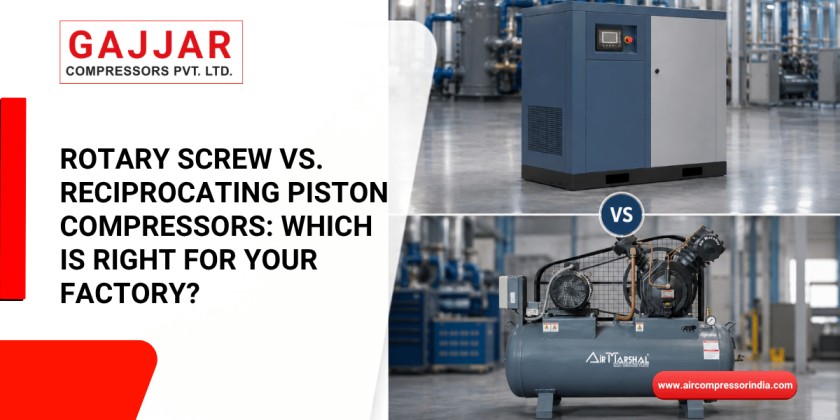
Buying an air compressor sounds simple until you’re actually standing in front of two very different machines wondering which one your factory really needs.
Both do the same basic job: supply compressed air. But how they get there, and what that means for your electricity bill and uptime, is where things get interesting.
If you’re comparing piston air compressor manufacturers or checking out screw compressor manufacturers in Ahmedabad, this guide breaks down the difference between screw and piston compressor systems to know which is right for your factory.
Understanding Industrial Air Compressors
Compressed air is used in many industrial applications such as power tools, packaging machinery, and automation equipment.
In India, most industries depend on one of two compressor types:
- Rotary screw compressors
- Reciprocating (piston) compressors
They both compress air, but that’s about where the similarity ends. Design, running cost, noise, and maintenance all differ quite a bit.
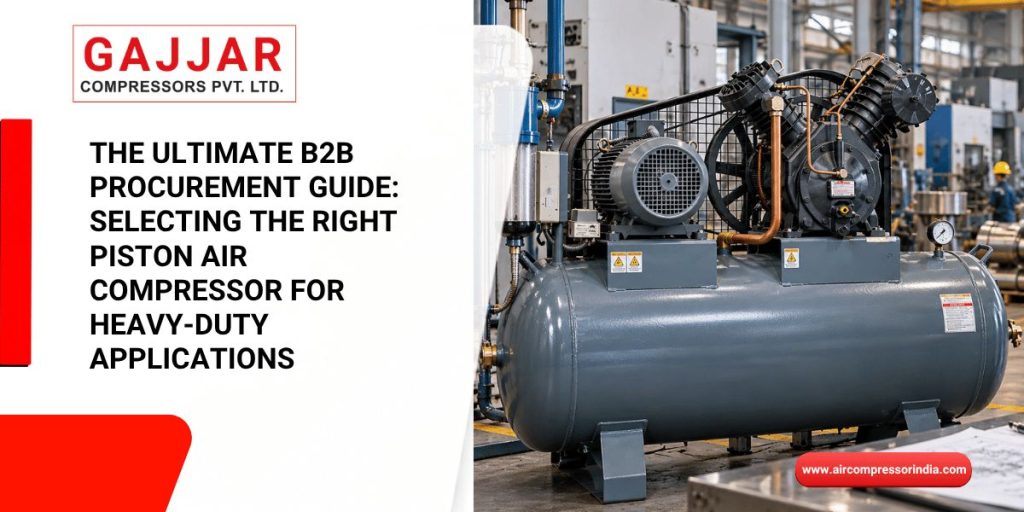
What is a Reciprocating Piston Compressor?
In a reciprocating piston compressor, one or more pistons are installed in cylinders, which compress the atmospheric air. It works by moving back and forth, drawing the atmospheric air, compressing it, and releasing it into the storage tank.
This is one of the oldest types of compressors that has been in use for many years now.
Best Applications
- Vehicle garages
- Small-scale manufacturing plants
- Woodworking shops
- Workshops for repairs
- Agricultural machinery
- Small-scale manufacturing units
Advantages
- Low initial purchase price
- Easy maintenance
- Ideal for occasional use
- Available in various pressure values
Disadvantages
- High noise levels
- Vibration
- Wear and tear of moving parts
- Less efficient during constant operations
What is a Rotary Screw Compressor?
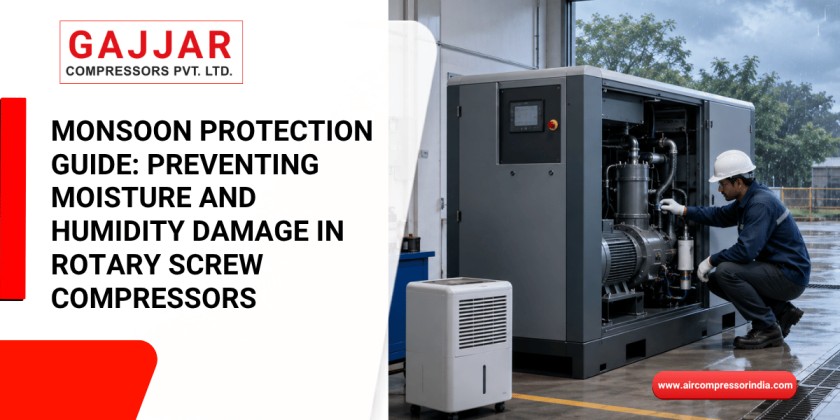
A rotary screw compressor operates with the help of two interlocked helical rotors. The compression of air takes place continuously through the rotation of the rotors, and it does not involve vertical movement of pistons.
For applications requiring continuous flow of compressed air all day long, a rotary screw compressor is the best option.
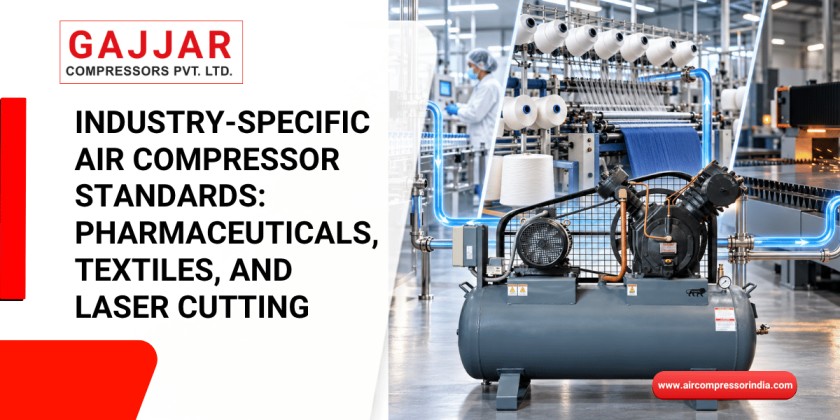
There are many screw compressor companies in Ahmedabad that manufacture these compressors for various industries such as pharma, textiles, food processing, engineering, automobiles, and so on.
Where it fits best:
- Large factories
- Textile mills
- Pharma units
- Food processing plants
- Printing units
- CNC shops
- Packaging plants
Several screw compressor manufacturers in Ahmedabad now supply these units to pharma, textile, and auto component factories that simply can’t afford compressed air to run out mid-shift.
What’s good about it:
- Nonstop air supply
- Quieter running
- Better energy efficiency
- Longer lifespan
- Low vibration
- Fewer service visits
Where it struggles:
- Higher upfront cost
- Needs trained technicians
Difference Between Screw and Piston Compressor
Here’s the comparison that actually matters when you’re deciding:
| Feature | Screw Compressor | Piston Compressor |
| Operation | Continuous | Intermittent |
| Mechanism | Rotors | Pistons |
| Noise | Low | High |
| Vibration | Minimal | Higher |
| Efficiency | Excellent | Moderate |
| Maintenance | Less frequent | More frequent |
| Upfront cost | Higher | Lower |
| Lifespan | Longer | Moderate |
| Air output | Steady | Pulsating |
| Best for | Big industries | Small workshops |
Which Compressor is More Energy Efficient?
Electricity is usually the biggest ongoing cost of running a compressor, not the machine itself.
Screw compressors tend to win here because they:
- Run continuously
- Skip repeated start-stop cycles
- Waste less energy
- Hold pressure steadily
If your unit runs 8 hours a day or more, that efficiency adds up fast over a year. A piston compressor, on the other hand, can end up costing more in power once it’s working nonstop.
Which Compressor Requires Less Maintenance?
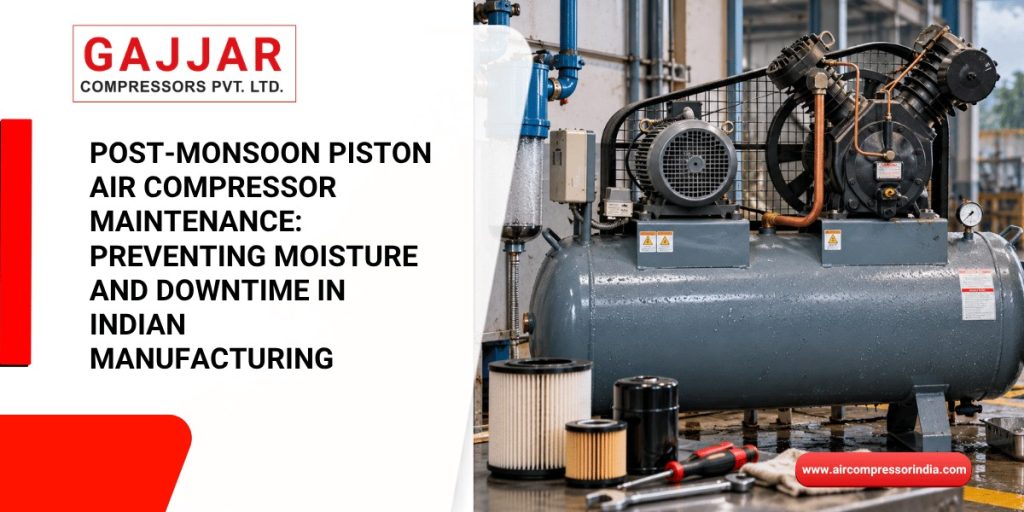
The piston compressor has more moving parts, which is why it will require:
- Oil checks
- Valve replacements
- Ring maintenance
- Filter cleaning
- Cylinder maintenance
Whereas the screw compressor will simply require:
- Oil servicing
- Filter servicing
- Separator servicing
- Schedule servicing
Fewer components generally means fewer surprises between services.
Choosing the Right Compressor for Your Factory
This isn’t about which machine is “better”; it’s about which one fits how your factory actually runs.
Go with piston if:
- Air use is occasional
- Running hours are short
- Budget is tight
- You run a small workshop
Go with screw if:
- Production runs all day
- Several machines need air together
- Efficiency matters long-term
- You’re planning to expand
Industries in India That Prefer Rotary Screw Compressors
Screw compressors have become the default across several Indian industrial hubs:
- Textile units in Ahmedabad and Surat
- Pharma companies in Gujarat
- Engineering firms in Pune
- Auto plants in Chennai
- Food processing in Hyderabad
- Packaging businesses across NCR
For these factories, air can’t run out halfway through a shift, so uninterrupted supply matters more than saving on the initial purchase.
Cost Considerations
Sticker price is only part of the story. The real cost adds up across:
- Power bills
- Maintenance
- Downtime
- Spare parts
- Machine lifespan
A cheaper piston unit can quietly cost more over three years of continuous use than a pricier screw compressor would have.
Practical Tips Before Buying
Before purchasing, keep these things in mind:
- CFM calculation
- Verify the required pressure
- Determine operating hours
- Account for future needs
- Evaluate energy efficiency
- Service availability
- Availability of spares
Some research now can prevent lots of regret later.
Common Mistakes Buyers Should Avoid
- Purchasing a small unit
- Neglecting future growth possibilities
- Selecting low-cost components
- Neglecting regular maintenance
- Neglecting energy use
- Inadequate ventilation during installation
- Failing to perform life-cycle cost analysis
Avoiding such mistakes early on saves money in the long run.
Conclusion
Choosing between a rotary screw and a reciprocating piston compressor really comes down to how your factory operates day to day. Occasional, lighter air use points toward a piston; nonstop production points toward a screw.
If you’re weighing options among piston air compressor manufacturers or looking for reliable screw compressor manufacturers in Ahmedabad, focus less on price tags and more on your actual air demand, running hours, and growth plans.
At Aircompressorindia.com, our team can help you match the right compressor to your factory’s real needs.
FAQs
- What is the primary difference between the screw compressor system and the piston compressor system?
A screw compressor generates uninterrupted air flow with its rotating rotors while the piston compressor operates with the help of a moving piston – suitable only for infrequent use. - Is the rotary screw compressor better than a piston one?
No. The screw compressor is ideal for continuous operation in industries, while the piston compressor may be enough for small workshops. - Why would industries prefer screw compressor manufacturers in Ahmedabad?
They provide good after-sales service, customization options, and availability of spares, which is very necessary for those industries where the compressor runs 24/7. - What industries use piston air compressors?
Typical users of piston air compressor manufacturers include automobile workshops, repair shops, fabricating works, woodworking shops, and agricultural industries. - Which type of compressor has a low maintenance cost?
Screw compressors are less expensive to maintain because they use less power and require fewer maintenance activities.
Gajjar Compressors Pvt. Ltd.
Gajjar Compressors Pvt. Ltd. is an experienced name in the compressed air industry, providing reliable insights on industrial air compressors, air dryers, vacuum pumps, and related technologies. Our expert content is designed to help manufacturers and businesses make informed decisions, improve operational efficiency, and stay updated with the latest advancements in compressed air solutions.